
Essential oil perfume and cologne recipes
A personal scent can be bright, woody, floral, herbal, or somewhere in between. These eight five-drop perfume recipes are aroma trials for paper scent strips, so you can compare combinations safely before choosing a properly formulated wearable product.
Skin safety matters: Do not apply these drop combinations directly to skin. Use only products labeled for topical use, follow the label's dilution directions, patch test, and remember that some citrus oils can increase sun sensitivity. The FDA's aromatherapy guidance explains why intended use and safety claims matter.
Fresh essential oil cologne ideas
Citrus woods
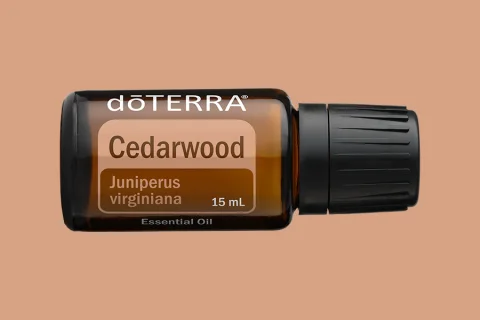
2 drops Bergamot + 2 Cedarwood + 1 Frankincense
Clean green
2 drops Lime + 2 Rosemary + 1 Copaiba
Cool forest
2 drops Spearmint + 2 Cedarwood + 1 Vetiver
Bright spice
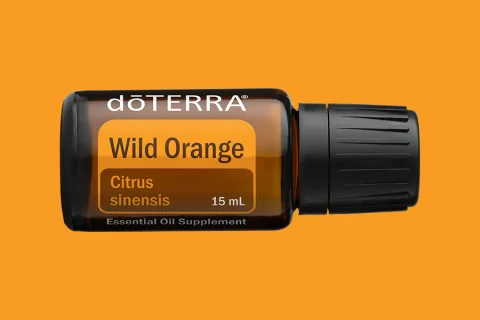
2 drops Wild Orange + 2 Frankincense + 1 Sandalwood
Soft essential oil perfume ideas
Soft citrus floral
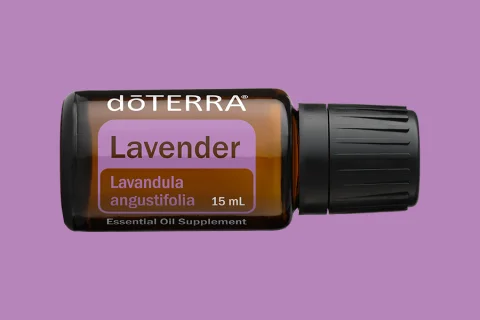
2 drops Lavender + 2 Bergamot + 1 Ylang Ylang
Warm floral woods
1 drop Ylang Ylang + 2 Sandalwood + 2 Cedarwood
Fresh floral
2 drops Grapefruit + 2 Lavender + 1 Frankincense
Golden woods
2 drops Wild Orange + 2 Copaiba + 1 Cedarwood
How to choose a personal scent
Begin on paper scent strips rather than skin. Smell each oil by itself, then test one bright top note, one central aroma, and one deeper wood or resin. Record the ratio you like. Let the strip rest and smell it again later because a blend changes as its quickest aromas fade.
How to make an essential oil perfume trial
- Label separate paper scent strips with the recipe names.
- Add the listed drops to the end of each strip without touching the oil.
- Smell from a comfortable distance immediately, after 15 minutes, and again later.
- Write down which note feels too strong or too quiet, then change only one drop in the next trial.
- For anything worn on skin, use a finished product or a formula reviewed for the exact oils, concentration, container, and intended use.
Perfume blending questions
What can I mix with essential oils to make perfume?
A finished wearable formula needs a suitable carrier or perfumer's alcohol, a reviewed concentration, and route-specific safety checks. This guide stays with paper trials because one universal skin formula is not appropriate for every oil or person.
What holds an essential oil scent longest?
Wood, resinous, and earthy base notes often linger longer than citrus and mint top notes. Cedarwood, Sandalwood, Frankincense, Copaiba, and Vetiver can give a scent trial more depth.
How long should a scent strip rest?
Smell it at several stages. The first impression shows the fastest notes; later checks reveal how the middle and base notes develop.
For more pairing help, use our essential oil blending chart. For room fragrance rather than personal scent, try these essential oil diffuser recipes.