
How to use essential oils: a beginner guide
Learning how to use essential oils should feel simple. Instead of buying everything at once, choose a few aromas that match routines you already have: waking up, caring for your home, winding down, and making ordinary moments feel more personal.
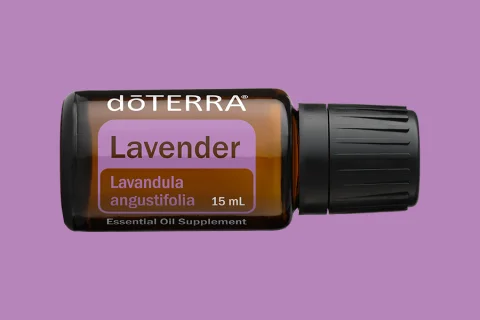
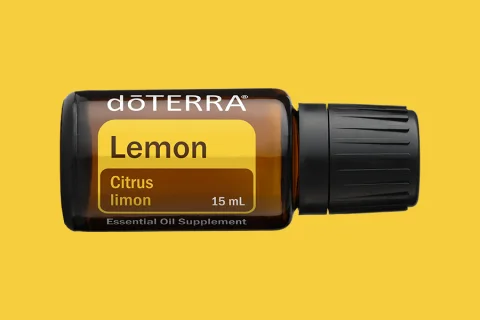

The first three routines to build
Pick one oil for the morning, one for the spaces people notice first, and one for the end of the day. That gives you a small shelf that actually gets used.
- Morning: Lemon, Wild Orange, Peppermint, or Rosemary.
- Home: Tea Tree, Purify, Eucalyptus, or On Guard.
- Evening: Lavender, Serenity, Peace, Cedarwood, or Vetiver.
Three simple ways beginners can use essential oils
- In a diffuser: Add only the amount recommended for your device, begin lightly, and ventilate the room.
- As a passive aroma: Put one drop on a paper scent strip and smell it from a comfortable distance.
- In a finished product: Choose a properly formulated personal or home product and follow its label rather than improvising a skin or surface recipe.
How to use an essential oil diffuser
- Place the diffuser on a stable surface where air can circulate and children or pets cannot reach it.
- Add water and oil only as directed by the device manufacturer.
- Begin with the lowest suggested amount, especially in a small room.
- Use ventilation, take breaks, and stop if anyone in the room feels uncomfortable.
- Empty and clean the device according to its instructions instead of letting old water sit.
Dilution, skin use, and sunlight
An amount that is appropriate for a diffuser is not a skin formula. Never apply the drop counts on this site directly to skin. Use only products labeled for topical use, follow their dilution directions, patch test when appropriate, and note that some citrus oils can increase sun sensitivity.
Easy first oils
Lavender is soft and classic. Lemon feels sunny and clean. Peppermint is bright and cool. Wild Orange makes a room feel cheerful. Serenity and Peace are lovely when you want the house to feel slower.
Simple starter blends
- Lemon + Peppermint for a fresh morning desk.
- Lavender + Cedarwood for an evening room.
- Wild Orange + Rosemary for a kitchen reset.
- Purify + Lemon for laundry and trash-can areas.
What to do next
Choose three oils and use them for one week. Notice which scent you reach for and which routine becomes easier to repeat. Then use the essential oil starter-kit guide to fill a real gap instead of buying several similar aromas.
Safety basics: Follow every product label, store oils securely, avoid undiluted skin use, and remember that plant-derived does not automatically mean safe. Children, pets, pregnancy, medical conditions, and medications can require additional professional guidance.
Essential oils for beginners: common questions
What are the best essential oils to start with?
Choose by the routines you will actually use. Lavender, Lemon, Peppermint, Wild Orange, and Cedarwood provide contrasting floral, citrus, mint, and wood aromas without requiring a large collection.
How many essential oils does a beginner need?
Three to five versatile oils are enough to learn your preferences and make several simple blends. Add another bottle only when it fills a clear scent or routine gap.
Can I mix essential oils together?
Yes, when each oil is suitable for the intended use. Test combinations on paper first and use the essential oil blending chart to balance scent families.
Is natural the same as safe?
No. Essential oils are concentrated materials. Product, route, dose, age, health, pregnancy, medications, pets, and ventilation can all affect safe use.